国画领域璀璨之星,百年以来出现以书入画的杰出代表
A shining star in the field of traditional Chinese painting, outstanding representatives of integrating calligraphy into painting have emerged over the past century
在当代中国画坛,有一位低调却不容忽视的艺术家,他的画风独树一帜,理论体系自成高峰。他就是龚心甫,查阅中国绘画史,可以看出中国画创作以书入画的理论已停滞一百多年,龚心甫笔墨凝魂七十载,不惊不语成大器,他是以书入画,以静见道的绘画大家,是百年以来出现一个以书入画的杰出代表,这是上天的安排。
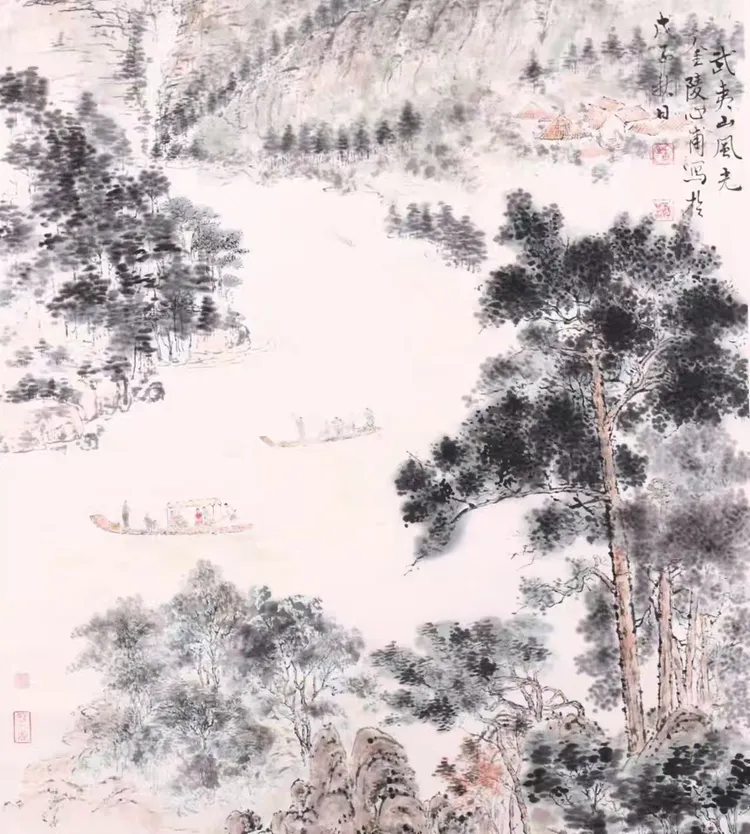
他以书入画,擅山水、花卉、工金鱼,兼重书法与章法布局,在“形神俱妙”中探求笔墨的至简与至深。他提倡艺术家要有“淡泊明志、甘于寂寞”的境界,强调深入自然、深入生活,以真实为根、才能创造真正有生命、有温度的艺术语言。正因如此,他的作品总是带着一种静穆之美,不炫技、不迎合,却动人于无声之间。
In the contemporary Chinese art circle, there is an artist who is low-key yet cannot be ignored. His painting style is unique and his theoretical system has reached its own peak. He is Gong Xinfu. By looking into the history of Chinese painting, it can be seen that the theory of incorporating calligraphy into painting has been stagnant for over a hundred years. Gong Xinfu has been concentrating his brush and ink for seventy years, achieving great things without being agitated or speaking. He is a master of painting who incorporates calligraphy into painting and reveals the truth through tranquility. He is an outstanding representative of incorporating calligraphy into painting in the past century, which is the arrangement of heaven.
He incorporated calligraphy into his paintings, excelling in landscapes, flowers, and goldfish. He also attached great importance to calligraphy and layout, exploring the simplicity and depth of brush and ink in the "perfect combination of form and spirit". He advocated that artists should have a state of mind that is "indifferent to fame and fortune and content with solitude", emphasizing the need to immerse oneself in nature and life, and to take truth as the root in order to create truly living and warm artistic language. For this reason, his works always carry a kind of serene beauty, not showing off his skills or catering to others, yet touching people in silence.
中国画的创作应以“六法”理论为创作基石,国画作品能否传承,能被博物院收藏,均已“六法”品评,追溯中国画艺术史,查阅中国画传世珍宝佳作,凡是煜霅千古之作,即可展现,这些传世瑰宝均是在符合“六法”理论基础上而创新的艺术珍品。南朝谢赫《古画品录》曰:“夫画品者,盖众画之优劣也”。意谓;画的品评,是因为画有优劣之分。再查阅凡传世的中国画理论书籍,理论万千,其中心思想亦是围绕“六法”理论而展评的。信然,先辈曾言:“六法精论,万古不移”, 凡是传世的格韵超绝,览者神之的艺术瑰宝,寻其源哉,查阅中国绘画艺术史,哪一件不是按先辈艺术精华理论品评的,哪一幅不是经过历史严谨甄别呢!
The creation of Chinese painting should be based on the "Six Principles" theory as its foundation. Whether a Chinese painting can be passed down and collected by a museum has been evaluated by the "Six Principles". Tracing the history of Chinese painting art and looking up the masterpieces of Chinese painting that have been passed down through the ages, all the works that have stood the test of time can be presented. These treasures passed down through the ages are all innovative artistic treasures based on the "six Principles" theory. The "Ancient Painting Catalogue" by Xie He of the Southern Dynasties states: "The quality of a painting refers to the superiority or inferiority of all paintings." Meaning; The evaluation of paintings is based on the fact that there are differences in quality among them. Looking through all the extant books on Chinese painting theory, there are countless theories, and their central ideas are also presented and evaluated around the "Six Principles" theory. Indeed, our predecessors once said, "The profound theories of the six principles will never change throughout the ages." All the masterpieces that have been passed down through the ages are extraordinary in style and charm, artistic treasures of the divine. Tracing their origins, when looking into the history of Chinese painting art, which one has not been evaluated based on the artistic essence theories of our predecessors, and which one has not been rigorously screened through history?
龚心甫,字甫之,号云石、心溥,1939年出生,江苏南京人,江苏省国画院特聘画家,列宾美术学院客座教授。20世纪60年代得傅抱石先生亲授,早年曾在多所美术院校学习,以优异成绩毕业于天津东方美术学院,并曾在中国美术学院中国画研修班结业。艺术作品入编《1978 - 1998中国美术选集》,1998年作品入选“韩国世界美术大展”等。
2024年五星出东方中国艺术代表团访问俄罗斯圣彼得堡列宾美术学院,龚心甫金鱼作品被俄罗斯最高学府列宾美术学院收藏,并被聘请为学院的客座教授,这是龚心甫继2023年河南博物院收藏龚心甫作品之后他的作品再次被世界最高艺术学府收藏。
金鱼作品,形神兼备,古朴淡雅,天然纯真,章法考究,清逸简洁,目前画一条金鱼简练到十一笔至十五笔就能画完成,作品贯穿古今,别开生面,前无古人,后未见来者,树立了另一个典范。
曾有多幅艺术佳作在国家级刊物上发表。其作品以凝练灵动的笔墨,描述出博大精深的内涵,凸现了他对生活深入的观察和对事物本质深刻的理解,个性鲜明,神采飞扬,用笔简洁流畅、章法考究规范、意蕴深远隽永。无论是谋篇造势还是笔墨渲染,都显示出其娴熟的艺术功力,创造性地实现了艺术境界与表达手法、历史人文与现实空间的和谐统一,无一不是激情与灵感的自然流露,给人以极大的艺术享受。在创作实践与丰富理论方面,兼容并蓄,大胆创新,精心创作多幅具有较高艺术研究价值的上佳作品,流传广泛,影响深远,在艺术收藏界引起广泛关注,其独特的艺术风格,丰富宝贵的艺术实践为繁荣和发展我国传统艺术提供难得的借鉴依据,对我国相关艺术领域的创新做出了突出的贡献。
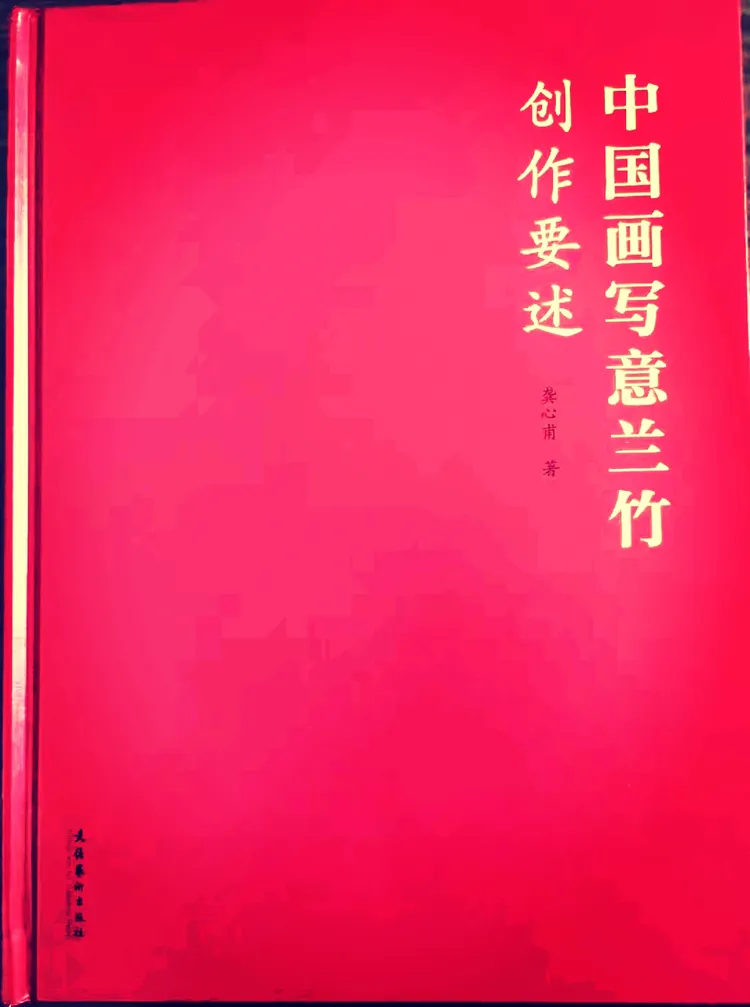
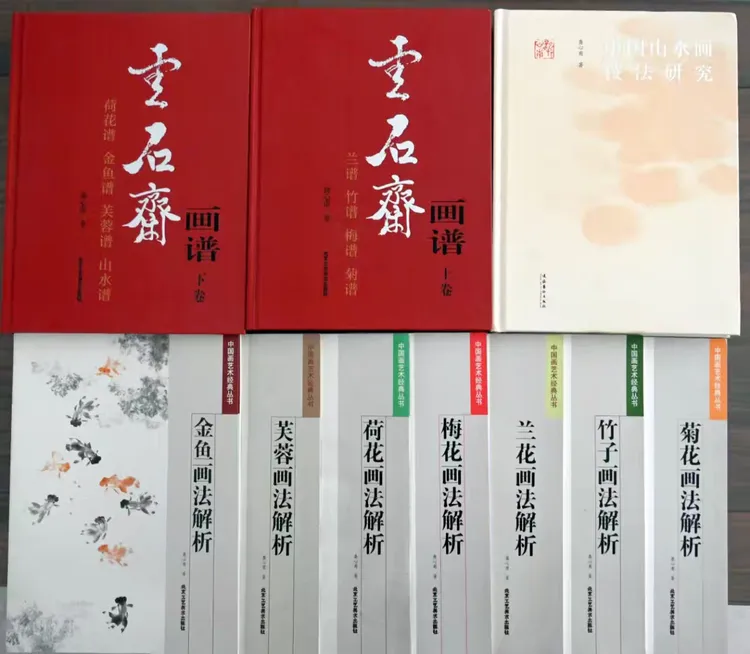
出版有《云石斋画谱》上下卷,《中国山水画技法研究》《中国画写意兰竹创作要述》《龚心甫作品集 - 金鱼画法研究》《龚心甫捐赠河南博物院精品画作专集》《中国最具收藏价值艺术家 - 龚心甫作品集》,中国画艺术经典丛书《金鱼画法解析》《荷花画法解析》《芙蓉画法解析》《梅花画法解析》《兰花画法解析》《竹子画法解析》《菊花画法解析》图书及《中国经典艺术作品展播 - 龚心甫》DVD光盘等。
根据雅昌拍卖网查询,龚心甫拍卖记录显示,他的作品在艺术市场上备受瞩目,例如龚心甫2015年创作的作品《相伴图》在2022年的拍卖中估价为66万元人民币,成交价92万元人民币。2014年创作的作品《亭亭玉立图》拍卖中估价为460万元人民币,成交价470万元人民币。2022年创作的作品《雅韵如碧清图》拍卖中估价为360万元人民币,成交价480万人民币。2018年创作的作品《黄山颂图》拍卖中估价为580万元人民币,成交价590万人民币。2021年创作的作品《宝葫芦图》拍卖中估价为380万元人民币,成交价460万人民币。2019年创作的作品《峰峦叠翠清泉流图》拍卖中估价为1000—1200万元人民币,成交价2000万人民币。还有许多拍卖信息,可在雅昌拍卖网查询。这些信息表明,龚心甫的作品在艺术市场上具有较高的价值,并且受到收藏家的青睐。
Gong Xinfu, styled Fuzhi, also known as Yunshi and Xinpu, was born in 1939 in Nanjing, Jiangsu Province. He is a specially-appointed painter of Jiangsu Provincial Academy of Chinese Painting and a visiting professor at Repin Institute of Fine Arts. In the 1960s, he was personally taught by Mr. Fu Baoshi. In his early years, he studied at many art colleges and graduated with excellent grades from Tianjin Oriental Academy of Fine Arts. He also completed the Chinese Painting Research at China Academy of Art. The artworks were included in the "Selected Works of Chinese Art 1978-1998", and in 1998, the works were selected for the "World Art Exhibition in Korea", etc. In 2024, the Chinese art delegation visited the Repin Institute of Fine Arts in St. Petersburg, Russia. Gong Xinfu's goldfish works were collected by the Repin Institute of Fine Arts, the top institution in Russia, and he was appointed as a visiting professor of the institute. This is the second time that Gong Xinfu's works have been collected by the world's top art institution after being collected by the Henan Museum in 2023. The goldfish works are both form and spirit, simple and elegant, natural and pure, with meticulous composition, clear and concise. Currently, it takes only eleven to fifteen strokes to complete a goldfish painting. The works span from ancient to modern times, presenting a unique style that has never been seen before or since, setting another example. Many excellent artworks have been published in national-level periodicals. His works, with concise and dynamic brushstrokes, depict profound and extensive connotations, highlighting his in-depth observations of life and deep understanding of the essence of things. They are distinctive in personality, full of vitality, and feature simple and smooth brushstrokes, meticulous and standardized composition, and far-reaching and enduring implications. Whether it is the planning and momentum building or the brushwork and ink application, it all demonstrates his proficient artistic skills, creatively achieving a harmonious unity of artistic realm and expression techniques, as well as historical culture and contemporary space. All of these are natural outflows of passion and inspiration, providing people with great artistic enjoyment. In terms of creative practice and theoretical enrichment, he/she is inclusive, bold in innovation and has meticulously created many works

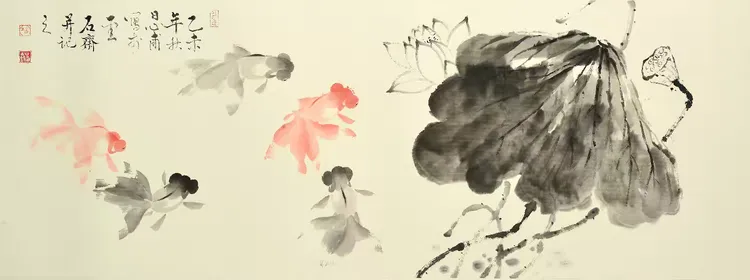
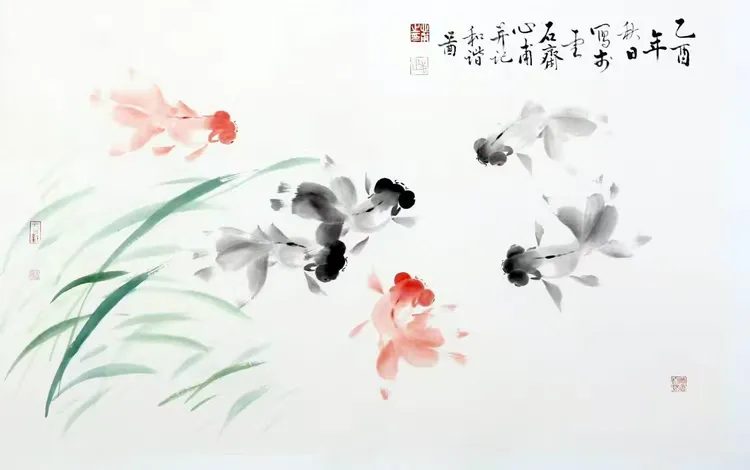
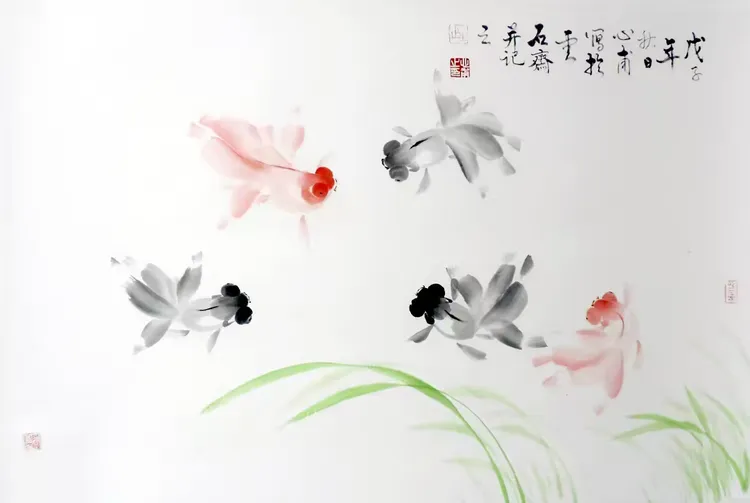
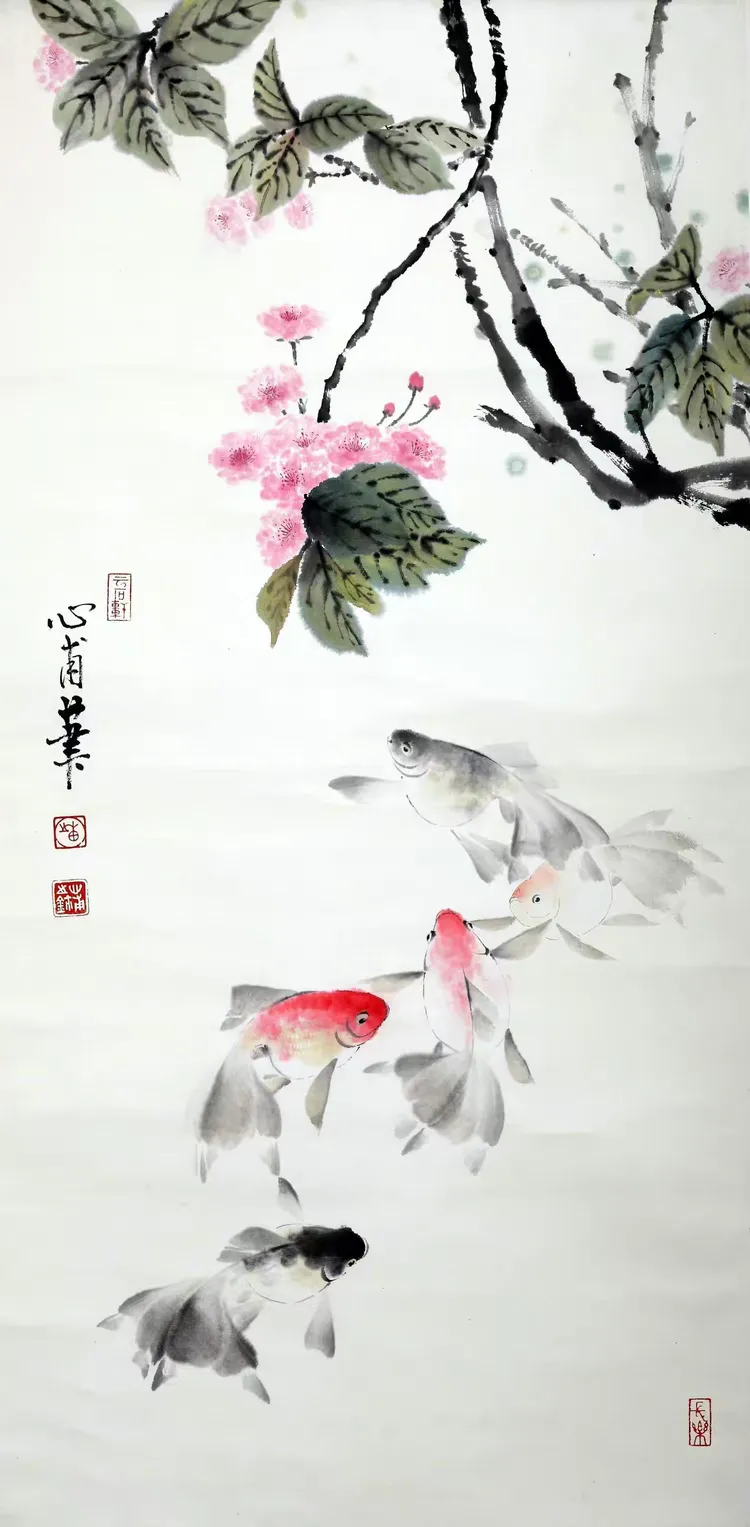
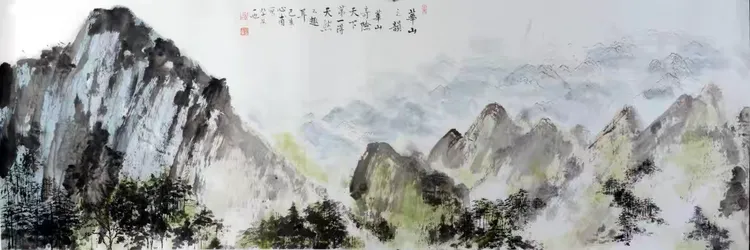
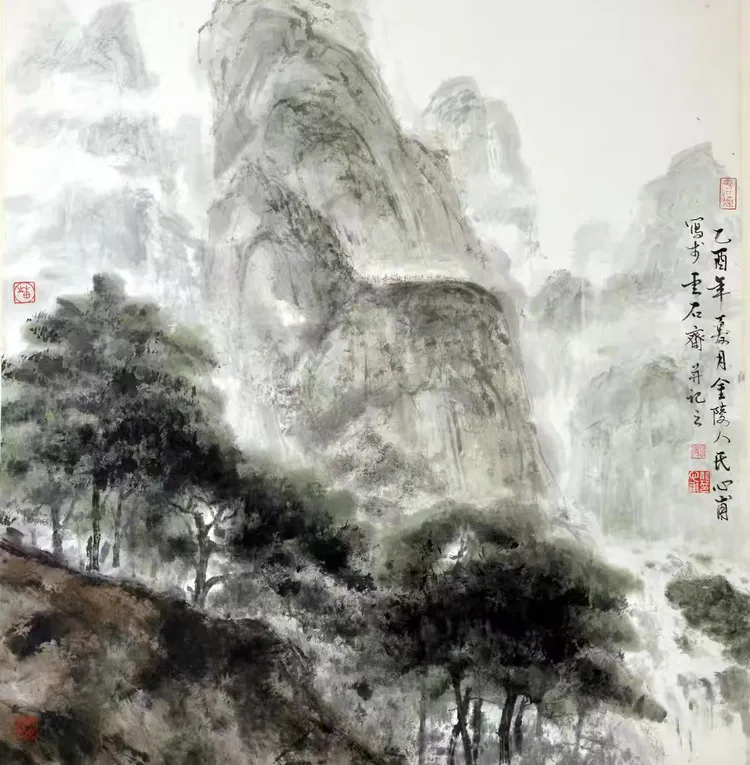
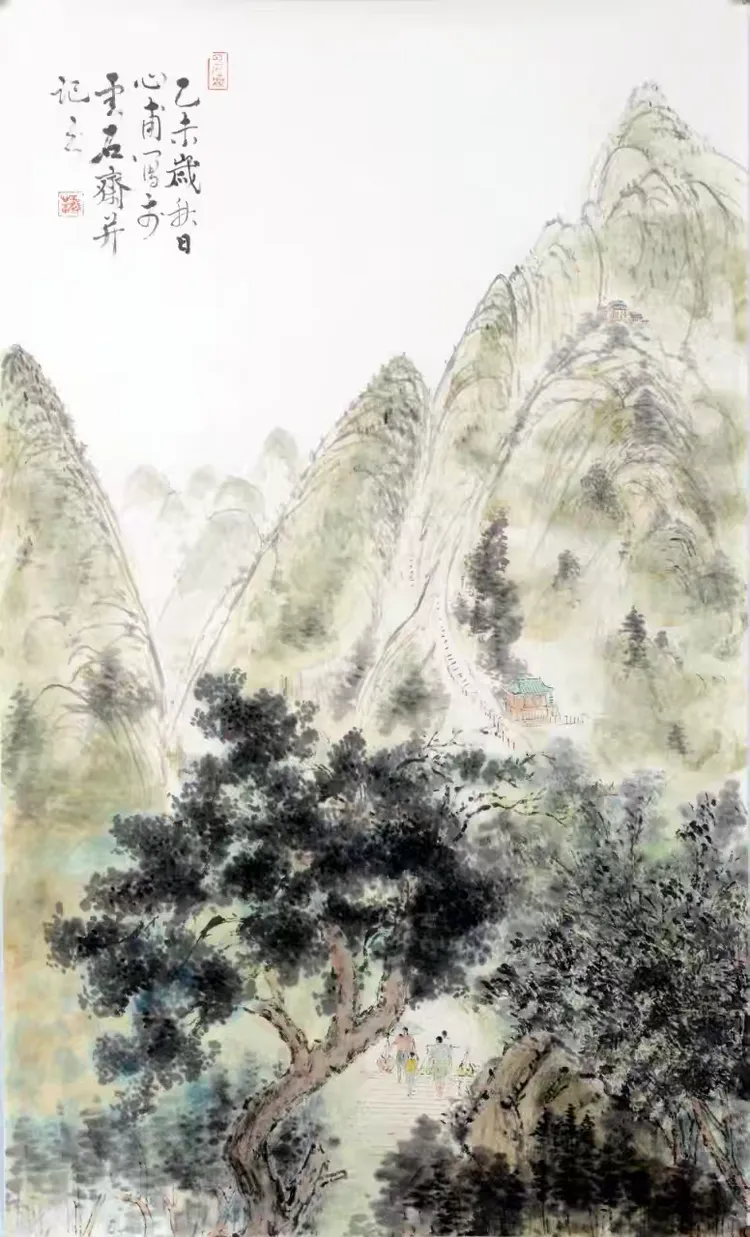
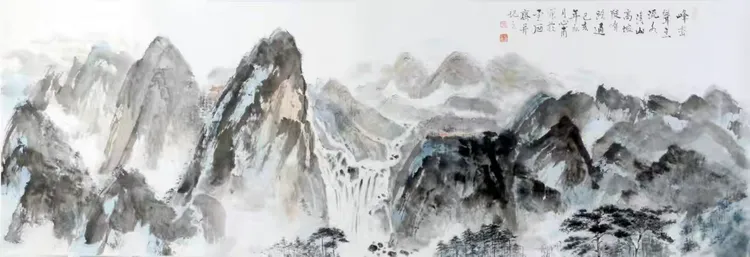
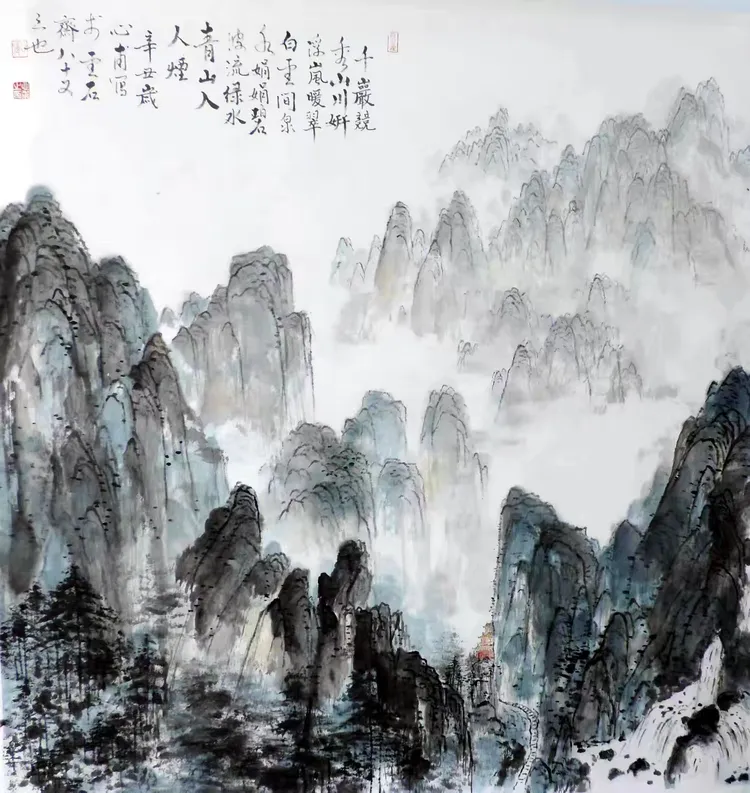
龚心甫现已高龄。龚心甫60岁至80多岁近二十多年里他拒绝,拒聘所有展览及各类授聘之事,国内外展事活动及国外艺术院校,授聘他客座教授,名誉教授,他一概不介入拒绝参与。在二十多年时间里,他依然默默无闻,研究中国画学体系、画学精髓,画学继承、变革,延续发展的历程,亦创作了许多优秀作品,著书立言、撰著十几本国画教学书籍,撰著了,《云石斋画谱》、《中国山水画技法研究》等书籍。这确实是有远见的明智选择,故此,奠定了他雄厚的画学理论和艺术功底。
《云石斋画谱》出版以后,他感到兰竹画法说明有些欠缺,尤其是竹子画法。为了弥补这问题,龚老在近几年一直孜孜不倦的探讨、研修竹子的画法。 近期撰著的《中国画写意兰竹创作要述》由文化艺术出版社出版,这部著作可以说这是中国美术史学的经典著作,何因?书中阐述三个问题:第一指导正规学习画竹的方法要旨, 第二如何传承发展画好墨竹,第三指出书法楷书功夫学到位,有了腕力功夫,才能学习画好墨竹。龚老在书中阐术了自己的观點,在“近三百年墨竹延续概述”一文中谈到三点:第一,画竹,书法楷书功底要深厚,第二,要淡泊情怀,默默耕耘自己的事业,第三,诗书画印为一体,显现中国画的美学价值,他说:这是前人画竹智慧的结晶。龚老阐述的观点,是非常重要的,并具有划时代意义的,何耶?指导了要突破画墨竹的方向,使中国画墨竹在继承变革延伸中不断发展。这部著作可以说是中国美术史学具有实用价值、研究价值、文化价值的重点著作。可以相信这部著作以及《云石斋画谱》上下册,与《芥子园画谱》一样,在百年以后还会出版发行。
Gong Xinfu is now of advanced age. For nearly two decades, from the age of 60 to over 80, Gong Xinfu refused to be invited to any exhibitions or various appointments. He did not get involved in or participate in any domestic or international exhibitions or foreign art colleges and universities when they appointed him as a visiting professor or honorary professor. For more than two decades, he has remained unknown, delving into the system and essence of Chinese painting, as well as the process of its inheritance, transformation, and continuous development. He has also created many outstanding works and authored over a dozen teaching books on Chinese painting, including "Yunshi Studio Painting Manual" and "Research on Techniques of Chinese Landscape Painting". This was indeed a far-sighted and wise choice, thus laying a solid foundation in his painting theory and artistic skills. After the publication of "Yunshi Studio Painting Manual", he felt that the explanations of the painting techniques for orchids and bamboo were somewhat lacking, especially for bamboo. In order to make up for this problem, Mr. Gong has been tirelessly exploring and studying the painting techniques of bamboo in recent years. Recently, "A Brief Account of Freehand Orchid and Bamboo Painting Creation in Chinese Painting" was published by the Culture and Art Publishing House. This work can be regarded as aic in the field of Chinese art history. Why is that? The book expounds on three issues: first, it guides the key points of formal learning of bamboo painting methods; second, it points out how to inherit and develop the art of painting ink bamboo well; third, it emphasizes that only by mastering the skills of regular script and wrist strength can one learn to paint ink bamboo well. In his book, Mr. Gong expounded his own viewpoints. In the article "An Overview of the Continuation of Ink Bamboo in the Past Three Hundred Years", he mentioned three points: First, when painting bamboo, one must have a solid foundation in calligraphy and regular . Second, one should have a detached sentiment and quietly cultivate one's career. Third, integrate poetry, calligraphy, painting and seal engraving to showcase the aesthetic value of Chinese painting. He said: "This is the crystallization of the wisdom of our predecessors in painting bamboo." The viewpoints expounded by Mr. Gong are extremely important and of epoch-making significance. What? It guided the direction of breaking through the painting of ink bamboo, enabling Chinese ink bamboo painting to continuously develop through inheritance, transformation and extension. This work can be said to be practical for the history of Chinese art
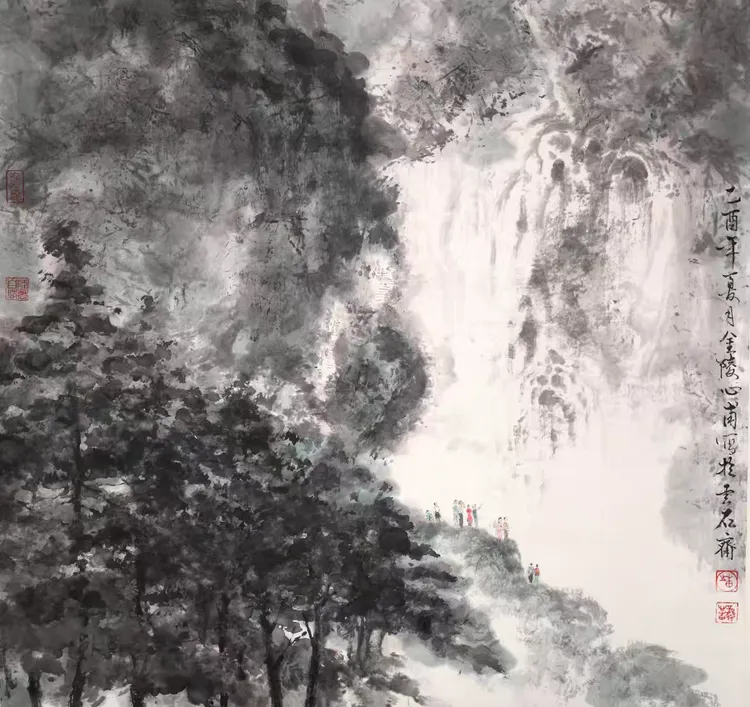
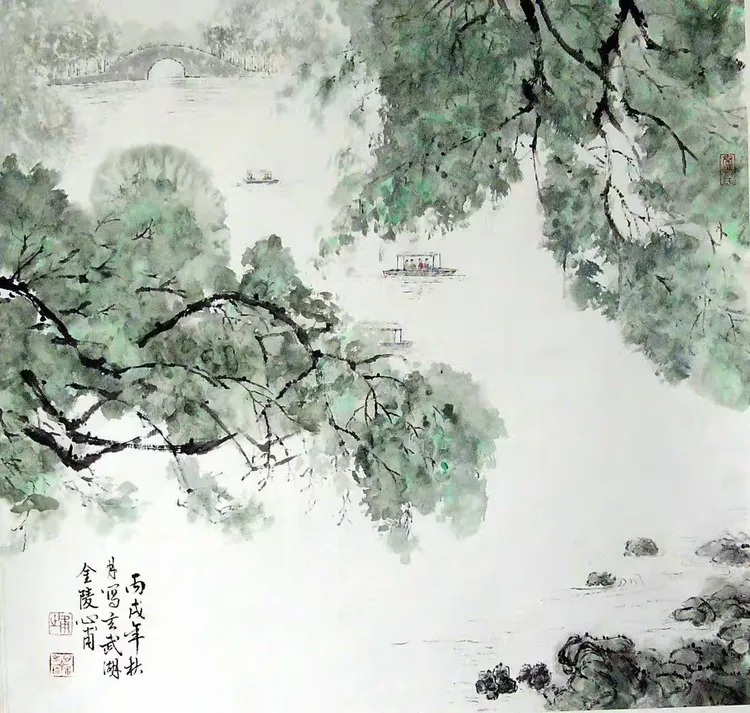
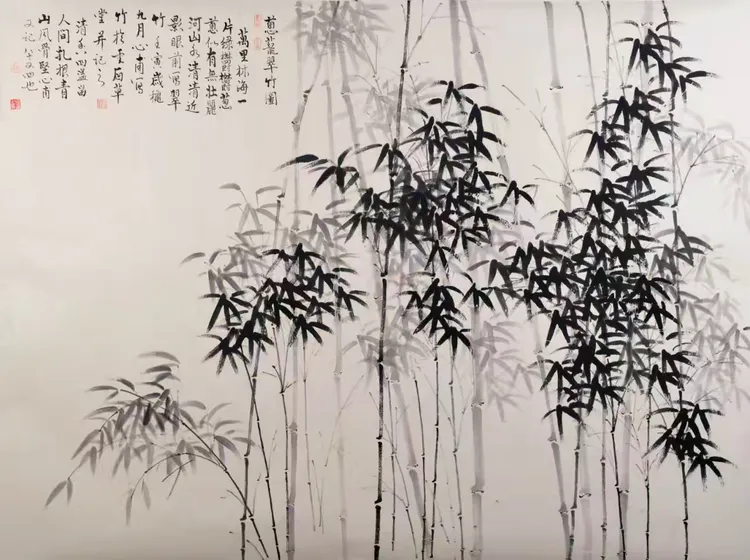
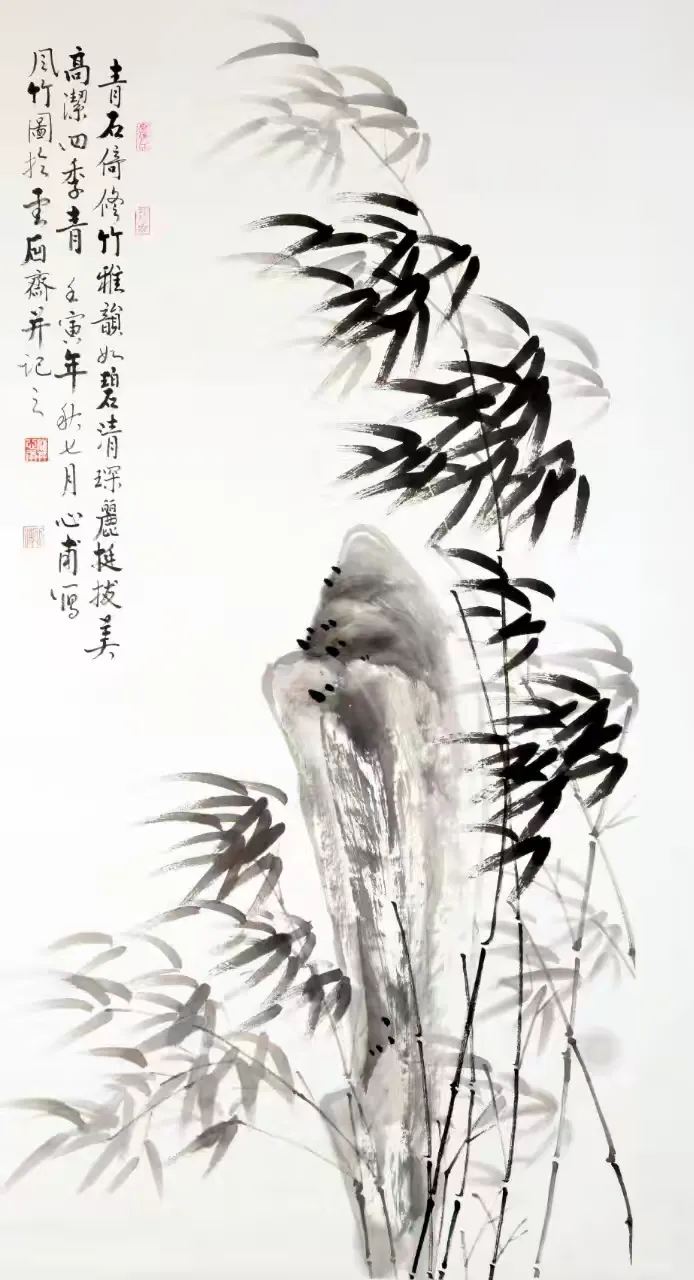
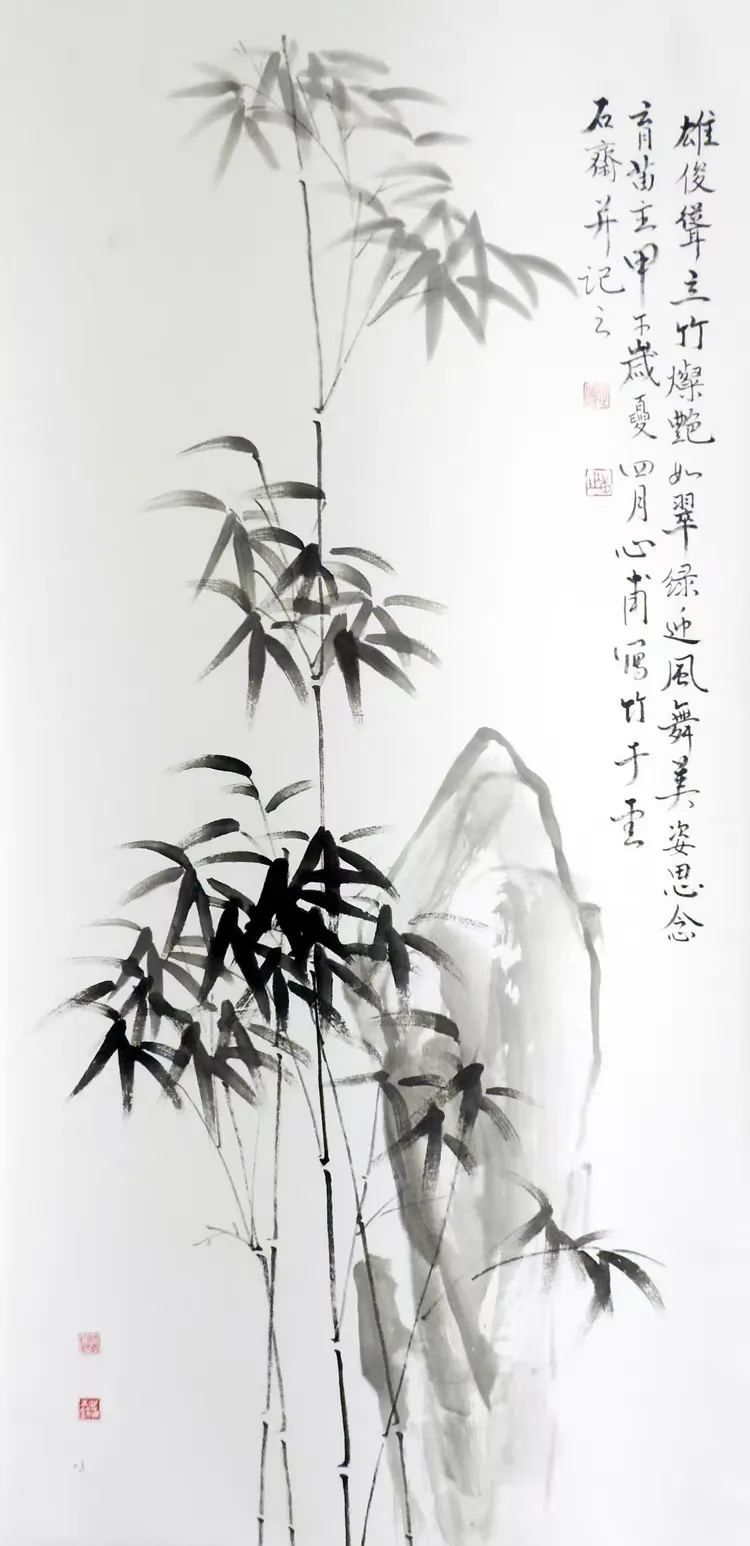
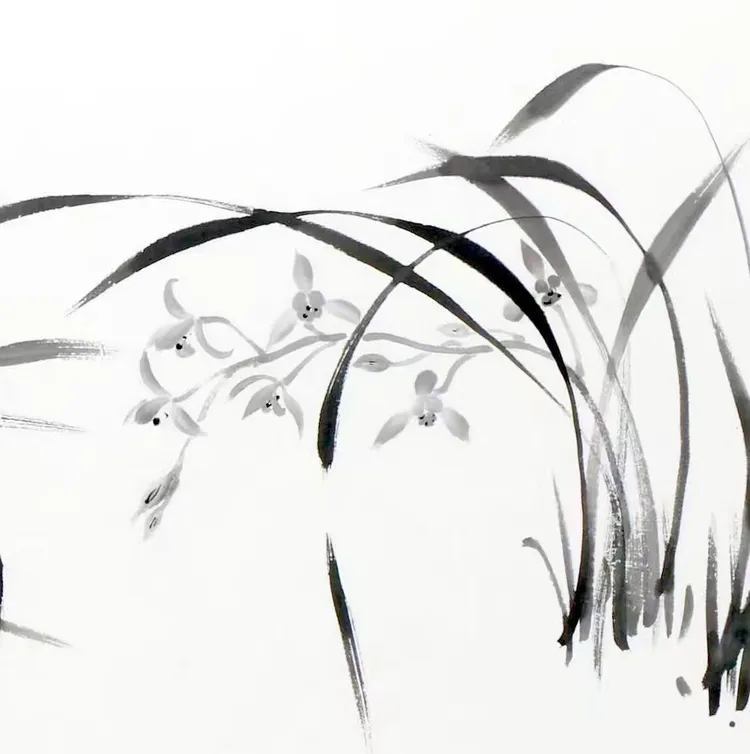
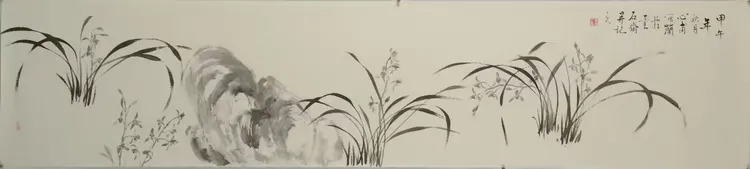
古人言:“一世兰,半世竹。”在花鸟画中,兰竹是最难画的,其艺术欣赏价值亦是最高的。元代李衎《竹谱详录》有“故当一节一叶措意于法度之中”;在谈到笔墨用法时有“提笔时澄心静虑,意在笔先,神思专一,不杂不乱,然后落笔。要圆劲快利,亦不可太速,速则失势;亦不可太缓,缓则痴浊;复不可太肥,肥则俗恶;又不可太瘦;瘦则枯弱”。说的很清楚,画竹的难度是很高的。清代郑板桥,一生喜爱画竹,于写意中显现“以形写神”的气韵。他画的墨竹图可谓到达了高峰,谁又能与之比肩呢?查阅近代中国美术史料,清晰可见一百多年以来,没有一个能突破和达到郑板桥的画墨竹水平。都是画的没有中国画艺术欣赏价值的商品画而已,看看画的作品即知,那么到底原因何在呢?龚老指引突破不了的三条原因:一为画竹叶如真,“真”亦是学好楷书笔法,故此书法突破不了,特别是楷书“悬针垂露”笔法没有学会,二为诗书画印为一体没有学到位,三为没有在自然中找到新的画竹组叶章法。从画面上看竹叶形态不对,有的为了所谓的创新,将竹叶画成“分不清叶头和叶尾”、“叶尾细长杂乱无章”、“叶头叶尾粗壮”、“有叶头无叶尾”、“画的虽然逼真但笔法稚弱。
The ancients said, "A lifetime of orchid, half a lifetime of bamboo." Among flower-and-bird paintings, orchids and bamboo are the most difficult to paint, but they also have the highest artistic appreciation value. In the "Detailed Record of Bamboo Spectrum" by Li 衎 of the Yuan Dynasty, it is stated that "therefore, every section and every leaf should be carefully considered within the rules and regulations." When discussing the use of brush and ink, there is a saying: "When picking up the brush, keep a clear mind and calm thought, with the intention preceding the brush. Focus your mind single-mindedly, without any confusion or distraction, and then put down the brush." It should be round, vigorous and quick, but not too fast; otherwise, it will lose its momentum. One should not be too slow either; slowness leads to ignorance and turbidity. One should not be too fat; otherwise, it will be vulgar and evil. And one mustn't be too thin. "Thinness leads to weakness." It's very clear that painting bamboo is extremely difficult. Zheng Banqiao of the Qing Dynasty was fond of painting bamboo throughout his life, and in his freehand brushwork, he demonstrated the charm of "expressing the spirit through form". His ink bamboo paintings can be said to have reached their peak. Who else can rival him? A review of historical materials on modern Chinese art clearly shows that for over a hundred years, no one has been able to break through or reach Zheng Banqiao's level of painting ink bamboo. All of them are just commercial paintings without the artistic appreciation value of Chinese painting. Just take a look at the works and you'll know. So, what exactly is the reason? The three reasons why Master Gong's guidance failed to break through are as follows: First, the bamboo leaves are depicted as if they were real, and "real" also means mastering the brushwork of regular . Therefore, calligraphy cannot be broken through, especially the "hanging needle and drooping dew" brushwork of regular script has not been learned. Second, the integration of poetry, calligraphy, painting and seal engraving has not been mastered thoroughly. Third, new methods for painting bamboo leaves have not been found in nature. From the perspective of the picture, the shape of the bamboo leaves is incorrect. Some, in pursuit of so-called innovation, paint the bamboo leaves as "indistinct leaf heads and tails", "slender and disordered leaf tails", "thick and sturdy leaf heads and tails", "with leaf heads but no leaf tails", and "although the painting is realistic, the brushwork is weak and immature."
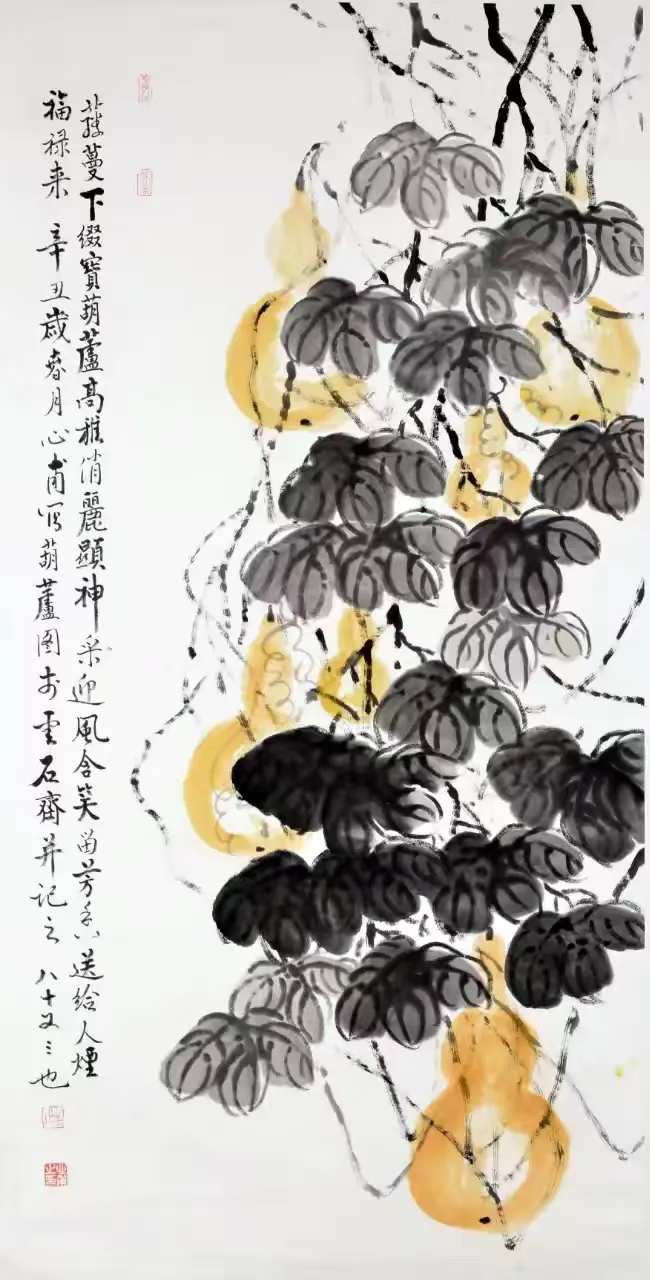
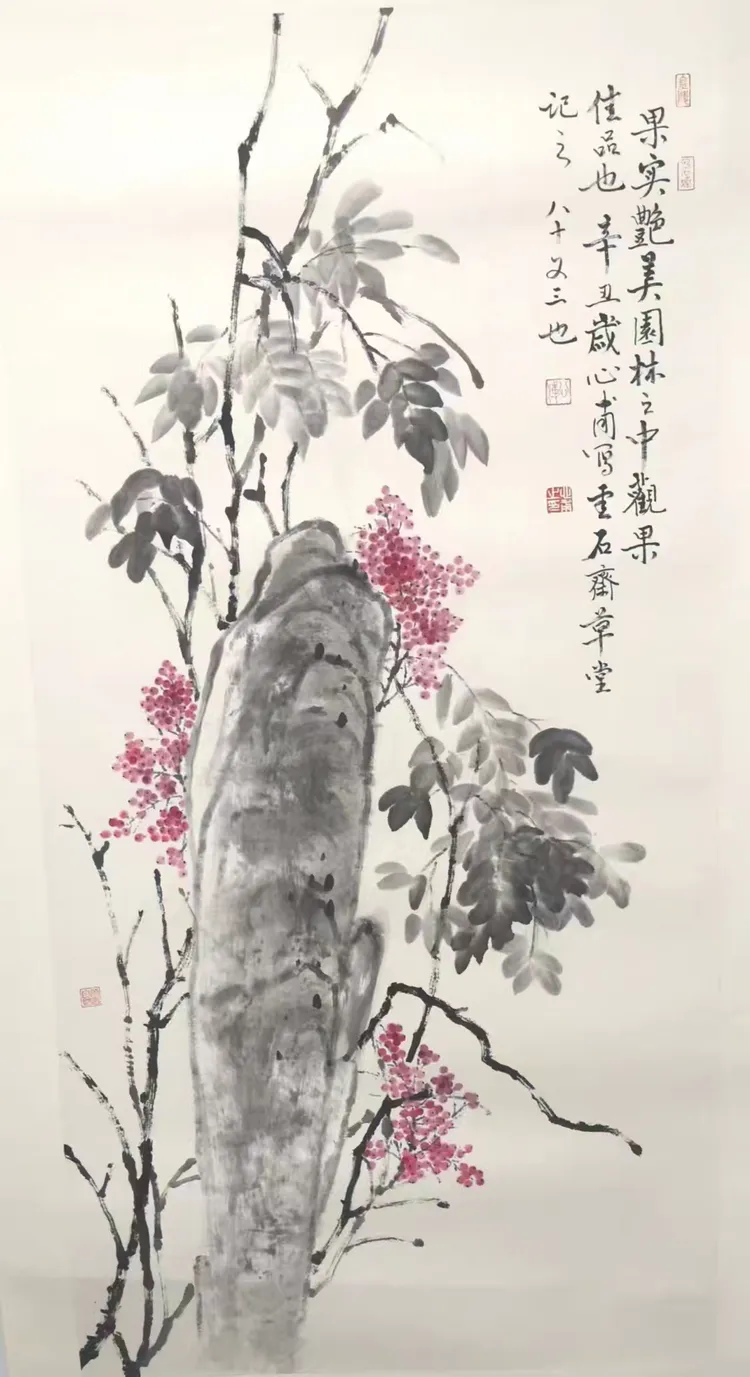



龚老画的水墨兰竹,是纯粹从自然中而来,他曾在浙江湖州竹林中观察一年四季竹的变化,长期写生竹的形态,寻找新的组叶章法,他能借古开今,熟练掌握古法笔墨,在继承传统基础上突破古人,又一次变革。仔细观察龚老画的竹叶,每片竹叶都有阴阳开合之理法,既形似又神似。运用书法笔意写竹,画的竹叶,均是楷书的竖画、撇画、捺画的书法用笔,特别是运用楷书的“悬针垂露”的书法用笔,写出了竹子神韵,生气盎然,看了令人心情舒畅。可以说,他是继郑板桥之后,又一位画兰竹高手。龚老说:“我不知道竹子怎么会画出来的。”这说明水滴石穿非一日之功,绝非一朝一夕,他淡泊明志,又经过长时期的艺术磨砺,终自然而然得到。
The ink-wash paintings of orchids and bamboo by Mr. Gong are purely derived from nature. He once observed the changes of bamboo throughout the four seasons in the bamboo forest of Huzhou, Zhejiang Province, and spent a long time sketching the forms of bamboo, seeking new methods for leaf arrangement and composition. He can draw on the past to open up the present, proficiently master the ancient brushwork and ink techniques, and break through the ancients on the basis of inheriting tradition, achieving another revolution. Carefully observe the bamboo leaves painted by Mr. Gong. Each bamboo leaf follows the principle of Yin and Yang opening and closing, and they are both similar in form and spirit. Using the brushstrokes of calligraphy to depict bamboo, the bamboo leaves drawn are all in the vertical, left-falling and right-falling strokes of regular script, especially the "hanging needle and drooping dew" brushstrokes of regular script, which vividly depict the charm and vitality of bamboo, making people feel relaxed and happy when looking at them. It can be said that he is another master of painting orchids and bamboo after Zheng Banqiao. Mr. Gong said, "I have no idea how bamboo could be drawn." This shows that water dripping through a stone is not achieved overnight or in a short period of time. He was indifferent to fame and fortune, and after a long period of artistic refinement, he eventually achieved it naturally.
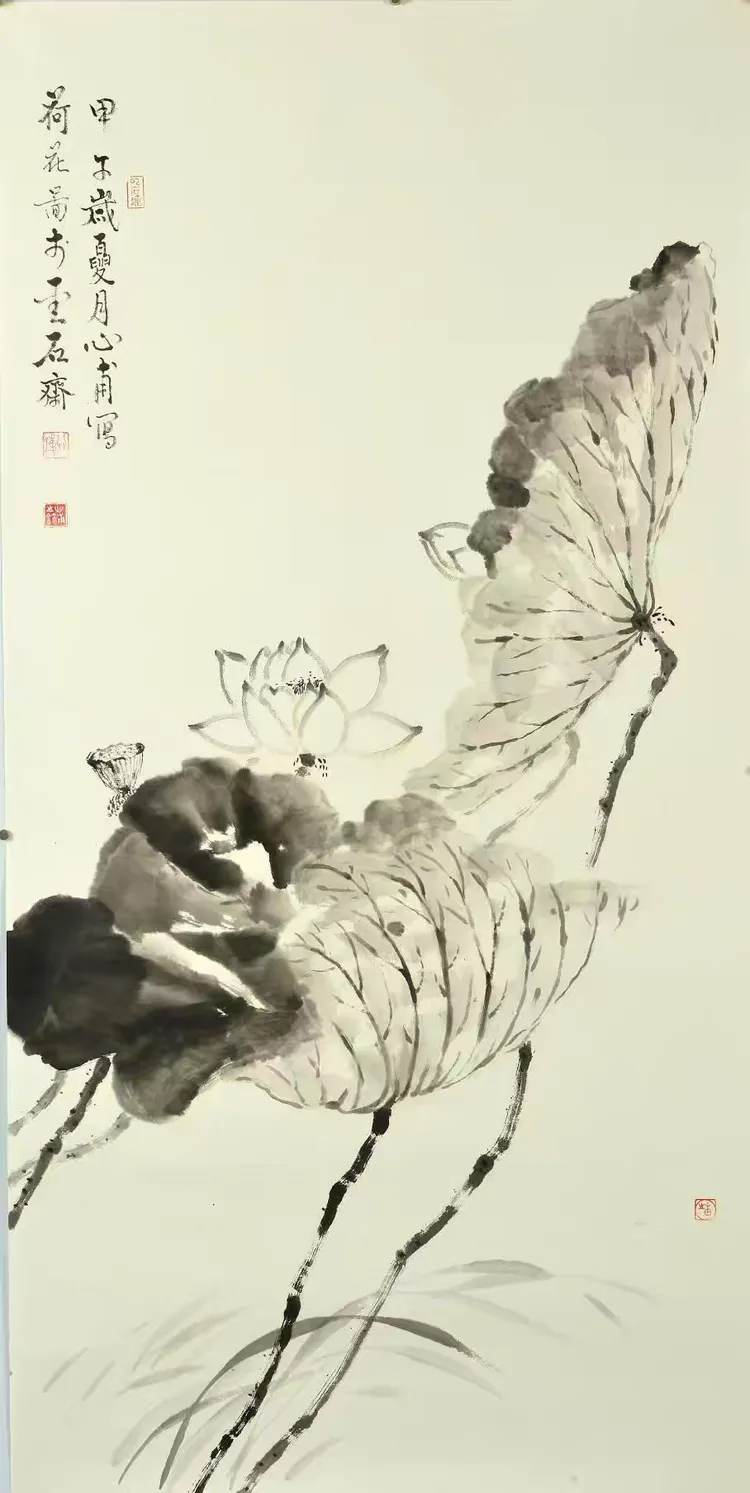

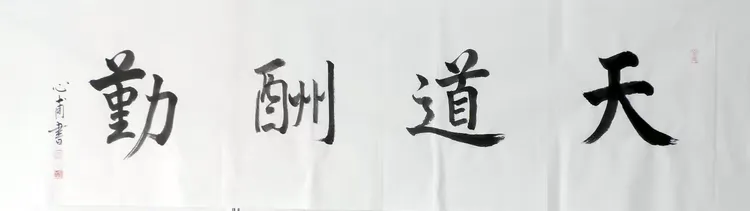
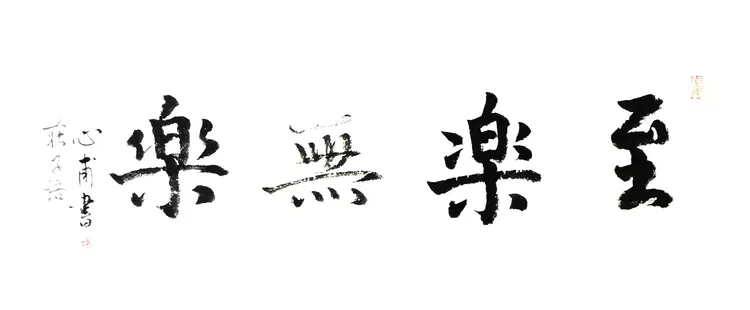
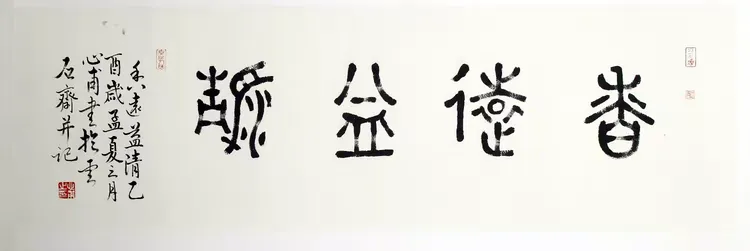

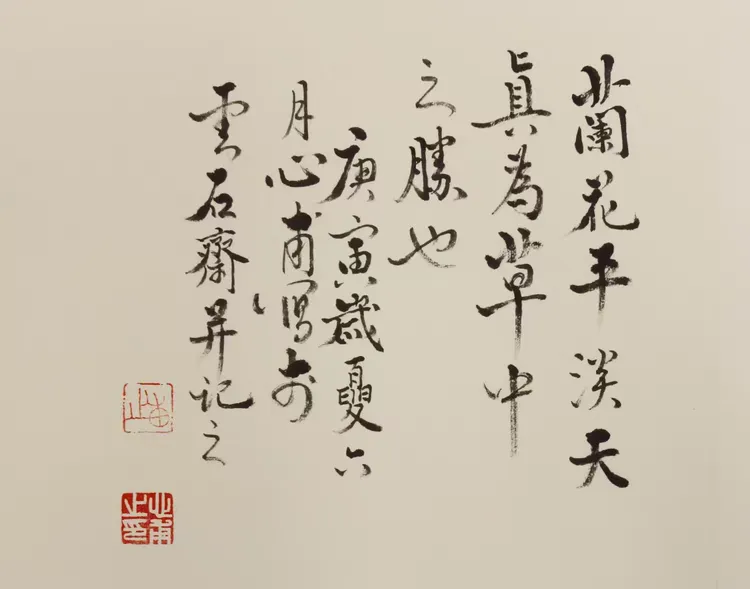
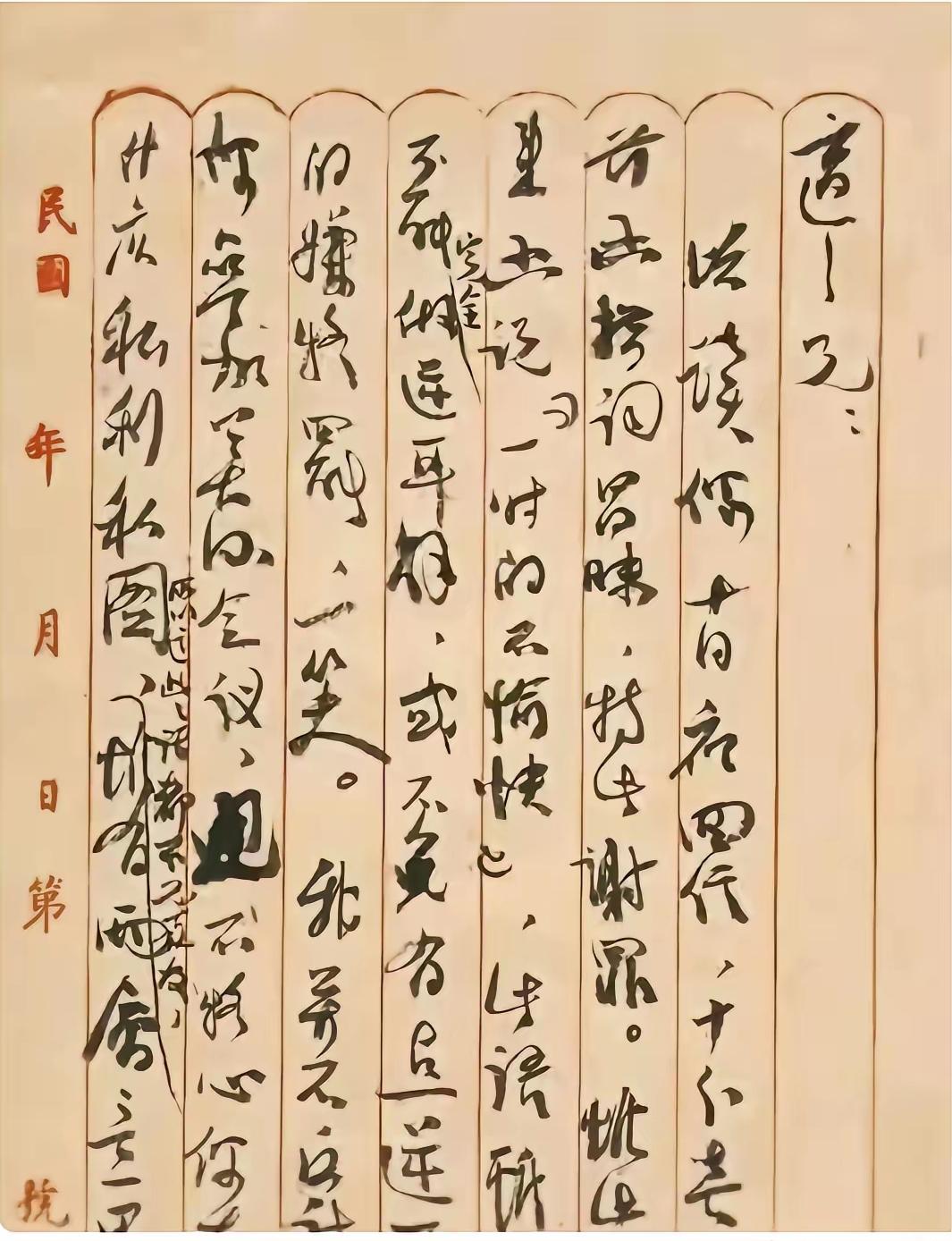
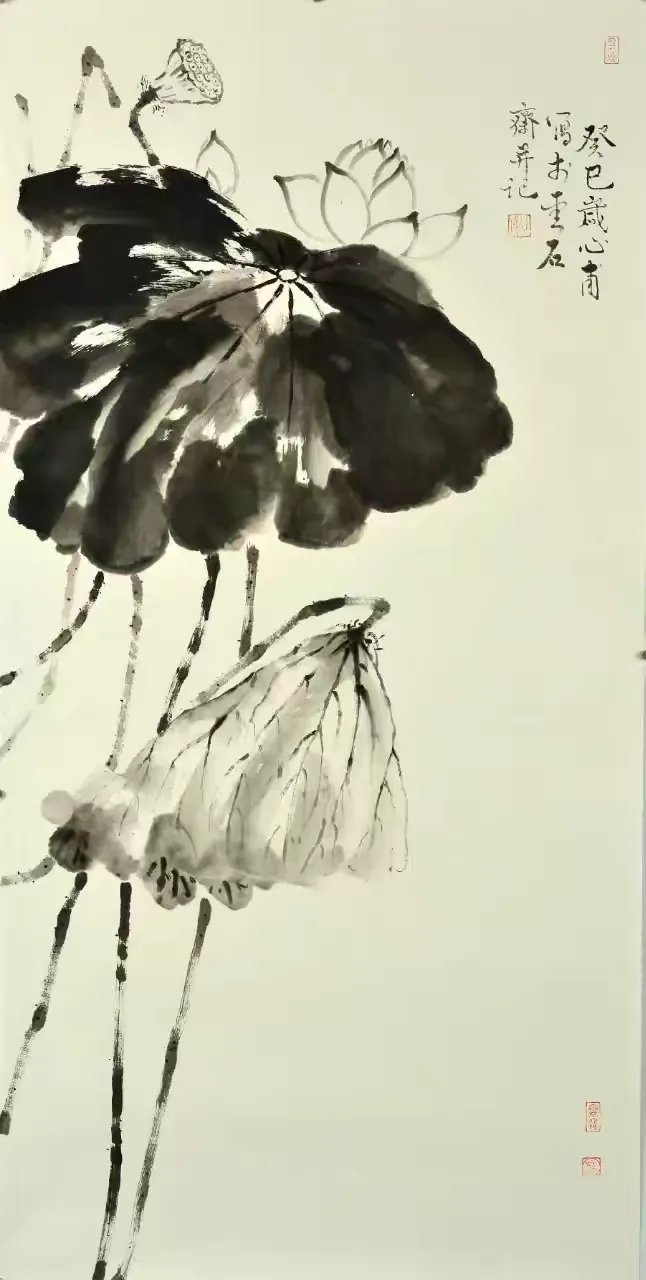
先辈指出:“书法功力的深浅,最终影响画家的成就”。古人常言:看画先看书法,书法不过关,画就不用看了,这句名言,说明中国画是以画来说话的,是由历史来品评的。一幅中国画作品,必须经过五十年至一百年,乃至更多一些年的历史考验,确认是否是“真”画,则不然何为“真”耶?如果目前再炒自己的作品,虽然暂时有名誉,如书法篆刻都未学好,楷书笔法都未学到位,是进不了中国画大门的,中国画大门都未进去,其作品当然是毫无价值的商品画而已,名誉是昙花一现,百年以后炒作的名字早已消失,不会留下痕迹的。龚老曾说过:“从中国绘画史来看,凡是传世的格韵超绝,览者神之的艺术瑰宝佳作,画幅的款识书法,绝大部分均是‘行楷书法’,因为要写好行楷书法,难度极高,必须楷书功底要过关,否则是很难写好的,因此,难度就很高了,查阅中国绘画史,即可一目了然”。
龚老尤重书法修为,提出“无楷不成行,无书不成画”的理念。他强调行楷书法在中国画中的基础作用,认为书法功底直接影响画面的精神气质。他曾言:“历代传世画作,皆以书法定品格。若无楷书根基,其画即便技巧繁缛,也难臻格韵之美。”他自己的题款,多以行楷为主,端庄而灵动。龚心甫的画作,既有中国画的古意,又有当代语境的气度。他不为声名所动,却以实绩铸就了自己在当代中国画坛的独特地位。年龄近九十岁的龚心甫,依然每日笔耕不辍。他不在展馆喧哗处,不在名利风口上,而是在墨香与素纸之间,书写着中国画的精髓,对他而言,艺术不仅仅是图像的表达,更是中国文化的传承与担当。在龚心甫的著作中,关于中国画创新问题,他说:“中国画创新不是一朝一夕就能创出来的,首先要有淡泊明志,不求名利,甘于寂寞的精神,甚至要甘于寂寞一辈子的思想。创立新风格的出现是‘渐变’,而非‘突变’,只有长时间的文化积淀和艺术磨砺,才有可能得到点点滴滴的收获。深入自然、深入生活,仔细观察研究物态的细部结构,兼收各种艺术营养,才有可能找到新的表现手法”。
The predecessors pointed out: "The depth of one's calligraphy skills ultimately affects a painter's achievements." The ancients often said: "When looking at a painting, first look at the calligraphy. If the calligraphy is not up to par, there is no need to look at the painting." This famous saying indicates that Chinese painting speaks through the painting itself and is evaluated by history. A Chinese painting must undergo the test of history for fifty to a hundred years, or even more, to confirm whether it is a "genuine" painting. Otherwise, what is "genuine"? If one continues to hype up their own works at present, even if they have a temporary reputation, if they haven't mastered calligraphy and seal engraving well or the brushstrokes of regular script, they won't be able to enter the door of Chinese painting. If they haven't even entered the door of Chinese painting, their works are of course just worthless commercial paintings. Reputation is fleeting. A hundred years later, the hyped names will have long vanished and left no trace. Mr. Gong once said: From the perspective of the history of Chinese painting, the majority of the inscriptions and calligraphy on the paintings that have been passed down to the present are "running and regular script calligraphy". This is because it is extremely difficult to write running and regular script calligraphy well. One must have a solid foundation in regular script; otherwise, it is very hard to do so. Therefore, the difficulty is very high. By consulting the history of Chinese painting, one can understand it at a glance. Mr. Gong attached great importance to the cultivation of calligraphy and put forward the concept that "without regular script, there can be no running script; without calligraphy, there can be no painting." He emphasized the fundamental role of running and regular script calligraphy in Chinese painting, believing that the foundation of calligraphy directly affects the spiritual temperament of the picture. He once said, "All the paintings passed down through the ages have been characterized by their character through calligraphy." Without a solid foundation in regular script, even if the techniques are elaborate, it is difficult for a painting to achieve the beauty of its style and charm. His own inscriptions are mostly in running regular script, dignified yet lively. Gong Xinfu's paintings not only possess the ancient charm of Chinese painting but also the magnanimity of the contemporary context. He was not swayed by fame, but established his unique position in the contemporary Chinese painting circle through his achievements. Gong Xinfu, who is nearly ninety years old, still writes every day without stopping. He is not in the hustle and bustle of the exhibition hall, nor at the peak of fame and fortune, but between the aroma of ink and the plain paper