悉尼海滩防鲨网的安全与生态双重考量
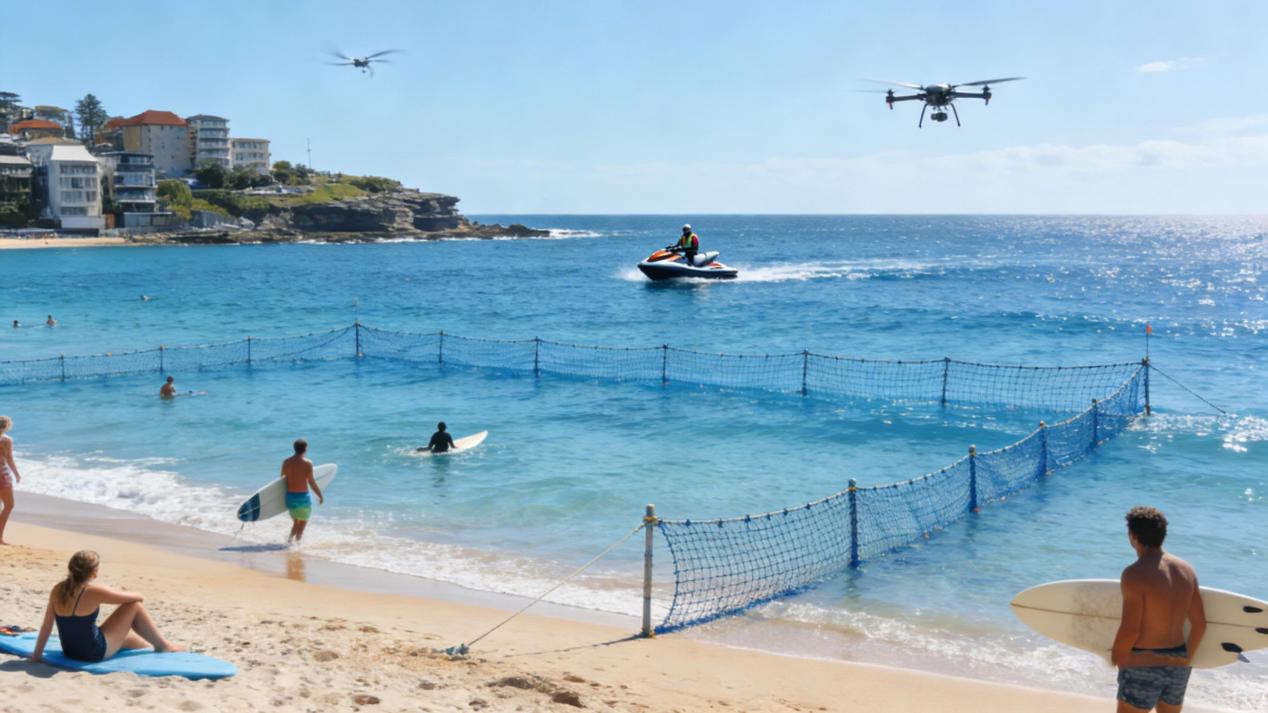
悉尼部分海滩会设置防鲨网来筑牢游泳者的安全防线,这一举措的背后,是当地对海滨休闲安全的迫切需求。作为澳大利亚鲨鱼活动较为频繁的区域之一,悉尼周边海域近年来多次发生鲨鱼袭人事件,仅2026年1月就曾在48小时内接连出现4起案例,造成多人受伤,其中一名12岁男孩因伤势过重被迫截肢。为应对风险,新南威尔士州政府常在曼利海滩至棕榈海滩等热门海域部署防鲨网,配合水上摩托巡逻、无人机监控等手段,为游泳者和冲浪者构建防护屏障,尤其在每年1-2月公牛鲨活跃的季节,这类防护措施的部署会进一步强化。
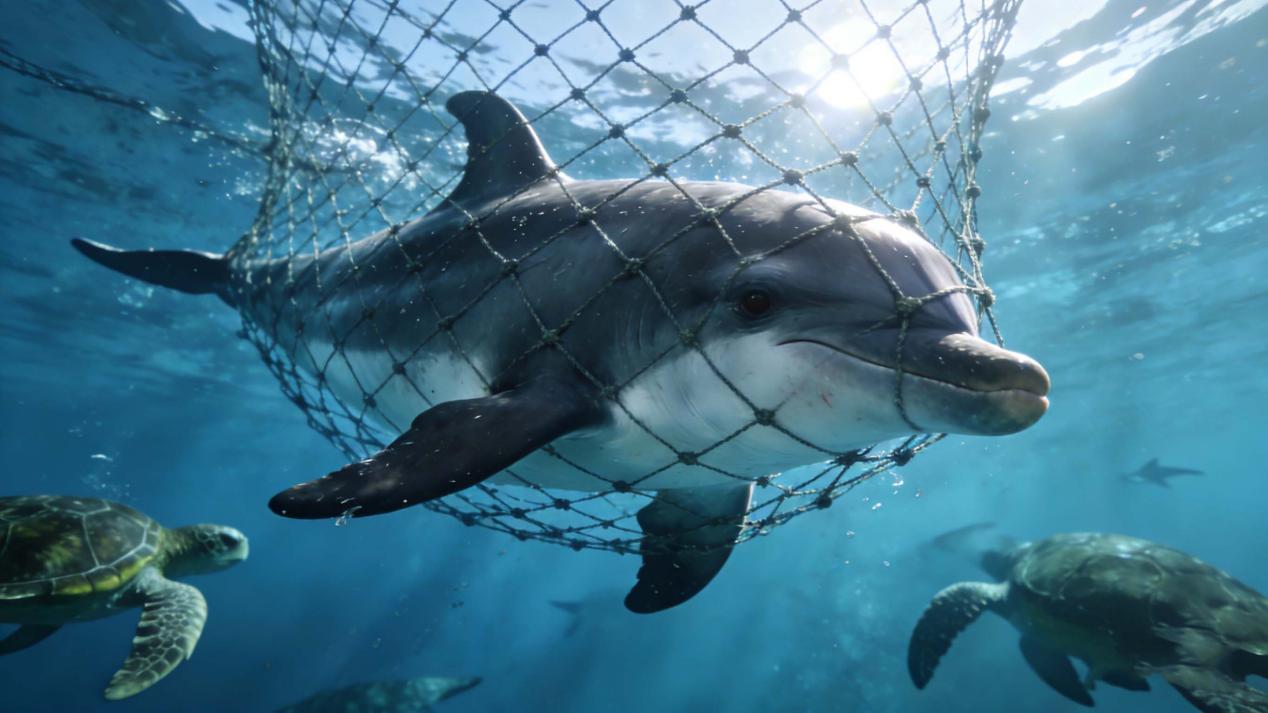
然而,这些海域本就是海豚、鲸鱼等海洋生物的自然栖息地与活动路径,防鲨网的设置不可避免地对它们造成了干扰与伤害。数据显示,新南威尔士州海岸的防鲨网每年9月至次年4月部署期间,捕获的海洋动物中93%为非目标物种,其中超过六成最终死亡,包括极度濒危的灰护士鲨、棱皮龟等珍稀生物。曾有13米长的小鲸鱼因被困防鲨网无法挣脱而溺亡,类似的海豚、海龟误捕案例更是屡见不鲜,引发了环保人士的强烈反对,呼吁彻底清除海岸带防鲨网。
这一现象直接引发了人类安全防护与海洋生态保护的双重考量。从安全角度,防鲨网虽能在一定程度上缓解公众恐慌,但实际防护效果存在争议——鲨鱼可从网下或网周绕行,无法完全杜绝袭击风险,更像是一种“被动防御手段”。从生态角度,防鲨网对海洋食物链和生态平衡的破坏日益凸显,海洋生物学家指出,非目标物种的大量死亡会打破海域生态的自然循环,对濒危物种的存续构成致命威胁。目前,当地政府正尝试寻找平衡点,一方面保留部分防鲨网作为基础防护,另一方面推广多种更具生态友好性的替代技术与方法,探索人与海洋生物共存的路径。
一、主流替代技术及方法
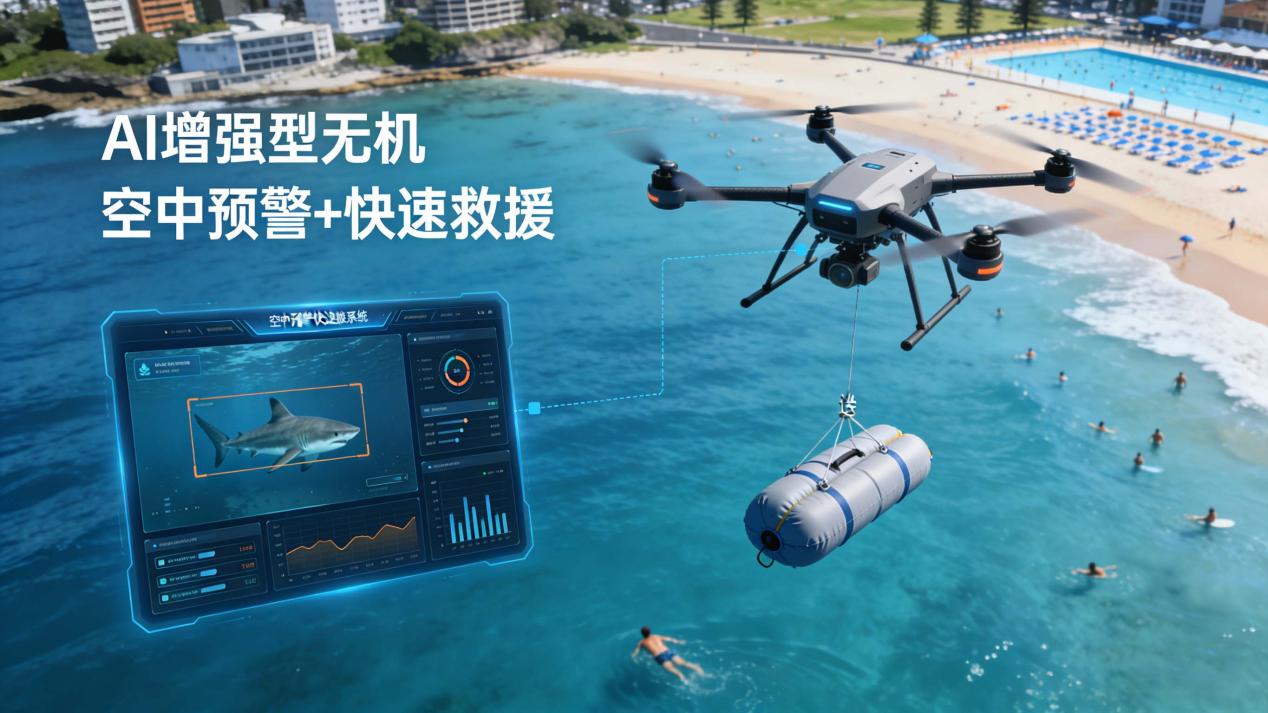
1. AI增强型无人机监测 这是新南威尔士州重点推广的技术之一,自2016年起便投入试用,2018年起与当地冲浪救生组织深度合作。无人机飞行高度超60米,单次可巡逻40分钟,由专业救生飞行员操控,实时拍摄海域画面并传输至智能分析系统。早期人工识别准确率约60%,经AI算法优化后,危险鲨鱼识别成功率提升至80%-92%,能精准区分大白鲨、虎鲨与海豹、大鱼等非威胁目标,还可应对风浪、浑浊水域等复杂场景。除监测外,无人机还具备应急响应能力,可向遇险者投送充气漂浮装置,形成“空中预警+快速救援”的双重防护,且对海洋生物无任何干扰。
2. 智能鼓线(Smart Drumlines) 相较于防鲨网的大范围拦截,智能鼓线更具针对性。它通过锚定在海域中的诱饵装置吸引鲨鱼,捕获后会立即向管理人员发送警报,工作人员可在短时间内抵达现场,将鲨鱼转移至远离游泳区的海域释放,避免对其造成致命伤害,同时大幅降低海豚、鲸鱼等非目标物种的误捕率,生态影响远小于防鲨网。
3. 视觉干扰类防护装备 这类方法聚焦于个人防护,利用鲨鱼视觉特性降低袭击风险。澳大利亚企业研发的防鲨泳衣,基于鲨鱼仅能感知明暗、无法分辨颜色的生理特点,设计出黑白条纹(冲浪款)和蓝白相间图案(深潜款),前者让鲨鱼误以为目标不可食用,后者帮助潜水者融入水域环境,经模拟实验验证可有效迷惑鲨鱼。此外,冲浪板加装横条LED灯带也能起到防护作用,实验表明,高亮度横条灯带可使大白鲨攻击频率降至零,效果优于竖条灯带,且节能性更强,适合冲浪爱好者日常使用。
4. 声学驱鲨装置(研发中) 部分科研团队正探索利用鲨鱼对特定频率声波的敏感特性,开发便携式声学驱鲨设备。通过释放鲨鱼厌恶的声波信号,在游泳者、冲浪者周围形成“安全范围”,该技术目前处于试验阶段,有望成为个人防护的重要补充。
English Version
Some beaches in Sydney are equipped with shark nets to strengthen the safety barrier for swimmers, a measure driven by the urgent need to ensure coastal leisure safety. As one of the areas with frequent shark activities in Australia, the waters around Sydney have witnessed multiple shark attacks in recent years. In January 2026 alone, four incidents occurred within 48 hours, injuring several people, including a 12-year-old boy who had to undergo double leg amputation due to severe injuries. To address the risk, the New South Wales government often deploys shark nets in popular waters such as between Manly Beach and Palm Beach, combined with jet ski patrols, drone surveillance and other means to build a protective barrier for swimmers and surfers. Such protective measures are further intensified especially in January and February each year, when bull sharks are most active.
However, these waters are inherently natural habitats and migration routes for marine life such as dolphins and whales, and the installation of shark nets inevitably disturbs and harms them. Data shows that during the deployment period of shark nets along the coast of New South Wales from September to April each year, 93% of the captured marine animals are non-target species, more than 60% of which eventually die, including critically endangered species such as grey nurse sharks and leatherback turtles. A 13-meter-long young whale once drowned after being trapped in a shark net and unable to break free. Similar cases of accidental capture of dolphins and sea turtles are common, triggering strong opposition from environmentalists who call for the complete removal of coastal shark nets.
This phenomenon directly raises dual considerations of human safety protection and marine ecological conservation. From a safety perspective, although shark nets can alleviate public panic to a certain extent, their actual protective effect is controversial—sharks can swim under or around the nets, failing to completely eliminate the risk of attacks, and they are more like a "passive defense measure". From an ecological perspective, the damage caused by shark nets to the marine food chain and ecological balance has become increasingly prominent. Marine biologists point out that the mass death of non-target species will disrupt the natural cycle of the marine ecosystem and pose a fatal threat to the survival of endangered species. Currently, the local government is trying to find a balance: on the one hand, retaining some shark nets as basic protection; on the other hand, promoting a variety of more ecologically friendly alternative technologies and methods to explore a path for coexistence between humans and marine life.
I. Main Alternative Technologies and Methods
1. AI-Enhanced Drone Surveillance As a key promoted technology in New South Wales, this has been put into trial since 2016 and has established in-depth cooperation with local surf life-saving organizations since 2018. Drones fly at an altitude of over 60 meters, with a single patrol duration of 40 minutes, operated by professional lifeguard pilots who capture real-time marine images and transmit them to intelligent analysis systems. The accuracy rate of early manual identification was about 60%, and after optimization by AI algorithms, the success rate of identifying dangerous sharks has increased to 80%-92%, which can accurately distinguish great white sharks, tiger sharks from non-threatening targets such as seals and large fish, and can cope with complex scenarios such as wind waves and turbid waters. In addition to surveillance, drones also have emergency response capabilities, capable of dropping inflatable flotation devices to distressed people, forming a dual protection of "air early warning + rapid rescue" without any interference to marine life.
2. Smart Drumlines Compared with the large-scale interception of shark nets, smart drumlines are more targeted. They attract sharks through baited devices anchored in the sea area, and immediately send an alarm to managers after capture. Staff can arrive at the scene in a short time, transfer the sharks to sea areas far away from swimming zones and release them, avoiding fatal harm to them. At the same time, they greatly reduce the bycatch rate of non-target species such as dolphins and whales, with much smaller ecological impacts than shark nets.
3. Visual Disturbance Protective Equipment This type of method focuses on personal protection and reduces the risk of attacks by leveraging sharks' visual characteristics. A shark-resistant wetsuit developed by an Australian company, based on the physiological feature that sharks can only perceive light and shade but cannot distinguish colors, is designed into black-and-white stripes (for surfing) and blue-white patterns (for deep diving). The former makes sharks mistake the target as inedible, while the latter helps divers blend into the marine environment. Simulation experiments have verified that it can effectively confuse sharks. In addition, installing horizontal LED light strips on surfboards can also provide protection. Experiments show that high-brightness horizontal LED light strips can reduce the attack frequency of great white sharks to zero, with better effects than vertical strips and higher energy efficiency, making them suitable for daily use by surfers.
4. Acoustic Shark Deterrent Devices (Under Development) Some research teams are exploring the development of portable acoustic shark deterrent devices by utilizing sharks' sensitivity to specific frequency sound waves. By emitting sound wave signals that sharks dislike, a "safe zone" is formed around swimmers and surfers. This technology is currently in the experimental stage and is expected to become an important supplement to personal protection.
II. Core Advantages and Limitations of Alternative Solutions These alternative technologies are centered on "precision protection and low ecological interference", avoiding the disadvantage of shark nets' "bycatch of innocent species", while improving the flexibility of protection through active early warning and targeted deterrence. However, limitations also exist: drones require regular maintenance and AI algorithm updates to maintain accuracy and cannot achieve 24/7 full-coverage patrols; smart drumlines rely on rapid manual response, resulting in high deployment costs on remote beaches; personal protective equipment can only ensure the safety of users themselves and is not suitable for large-scale public beach protection. Currently, the local area mostly adopts a combined model of "drones + smart drumlines" to balance public protection and ecological conservation needs.